Colorado Bird Watching
The Gunnison Valley is an excellent destination for Colorado bird watching because of the millions of acres of public lands and the remarkable variety of habitats packed into one high-country landscape. Rolling fields of sagebrush, wetlands, mountain forests, alpine meadows and reservoirs each attract a mix of birds. Throughout the year, you can spot resident species alongside migratory birds passing through the valley. Experienced birders and those who just enjoy noticing wildlife alike can use birdwatching to slow down and explore the landscape. Keep reading for birdwatching tips and experience the Gunnison Valley from a new perspective.
Why the Gunnison Valley is Great for Birdwatching
The Gunnison Valley has a diverse array of habitats and elevations. The south end of the valley is a high desert environment, while the north end is alpine and high alpine. There are also wetland environments, sagebrush flats, dense forests and reservoirs.
The variety of habitats means there are many different bird species to see. The Gunnison Valley also has over two million acres of public lands and thousands of miles of trails. These facts, along with seasonal bird migrations, make the Gunnison Valley a prime place for Colorado birdwatching.
Birds You May See in the Gunnison Valley
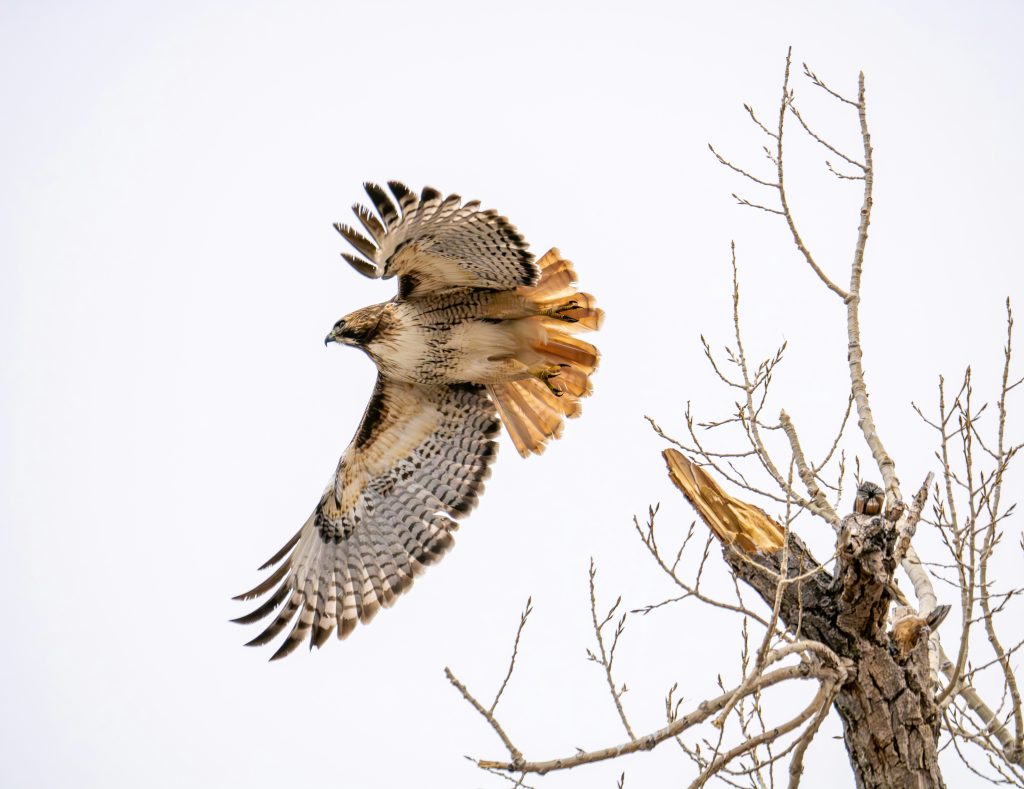
Raptors
- Red-tailed hawk
- American kestrel
- Cooper’s hawk
- Bald eagle
- Golden eagle
- Northern harrier
- Great horned owl
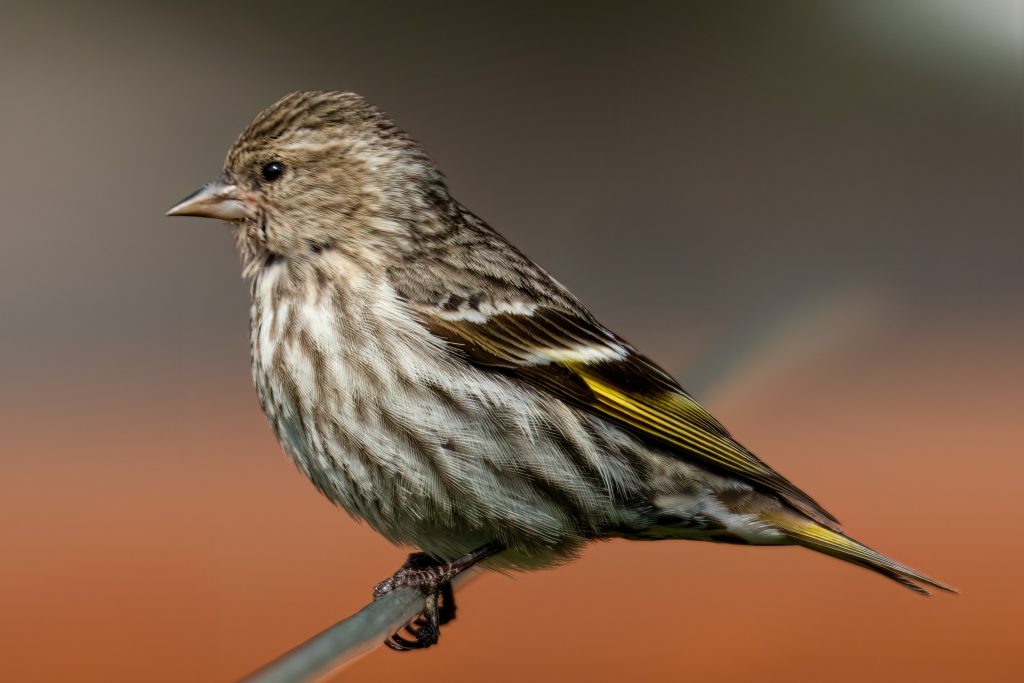
Songbirds
- Mountain chickadee
- American robin
- White-crowned sparrow
- Pine siskin
- Brewer’s blackbird
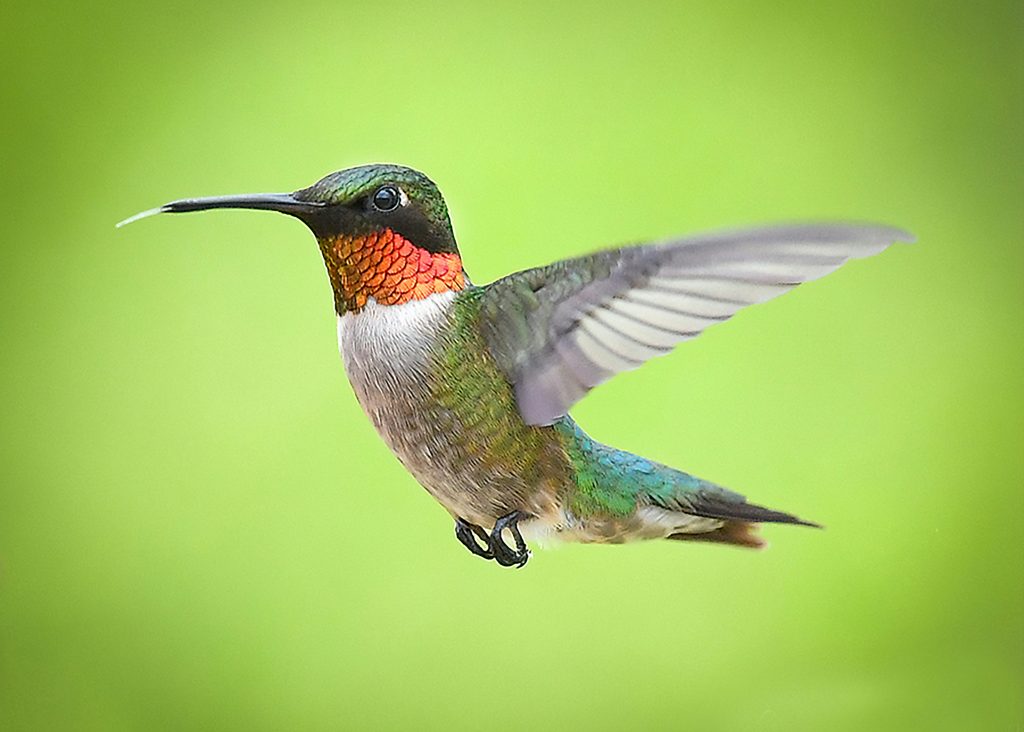
- Broad-tailed hummingbird
- Violet-green swallow
Waterbirds
- Mallard
- Canada goose
- Great blue heron
- American dipper
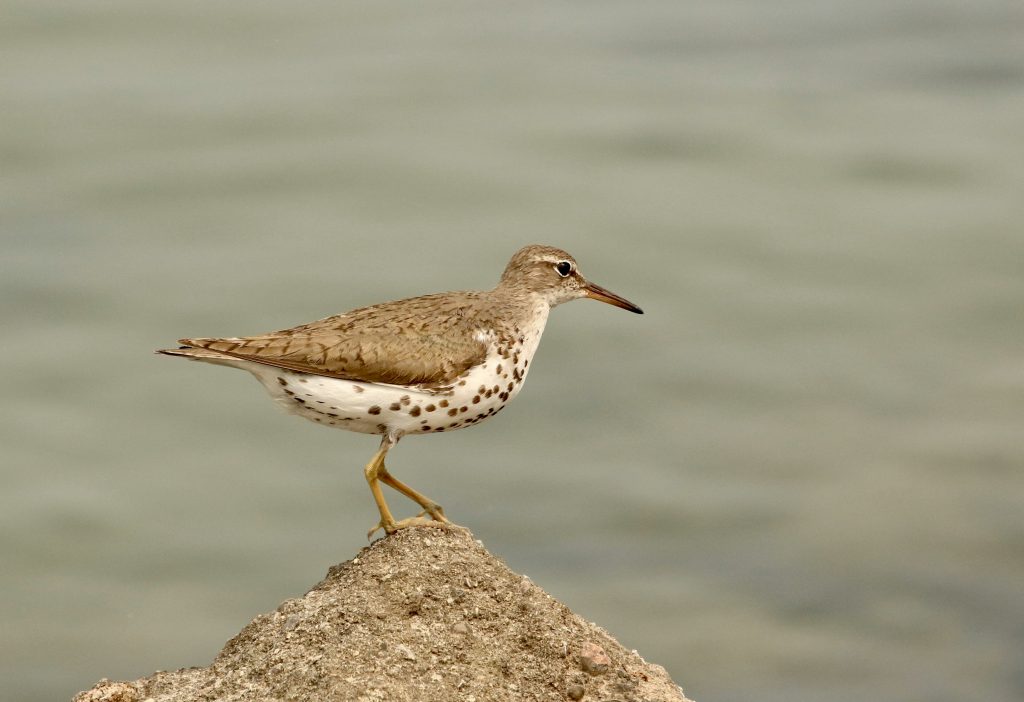
- Spotted sandpiper
Mountain and Forest Birds
- Mountain bluebird
- Black-billed magpie
- Mountain chickadee
- Broad-tailed hummingbird
- Rufous hummingbird
- Calliope hummingbird
- Pine siskin
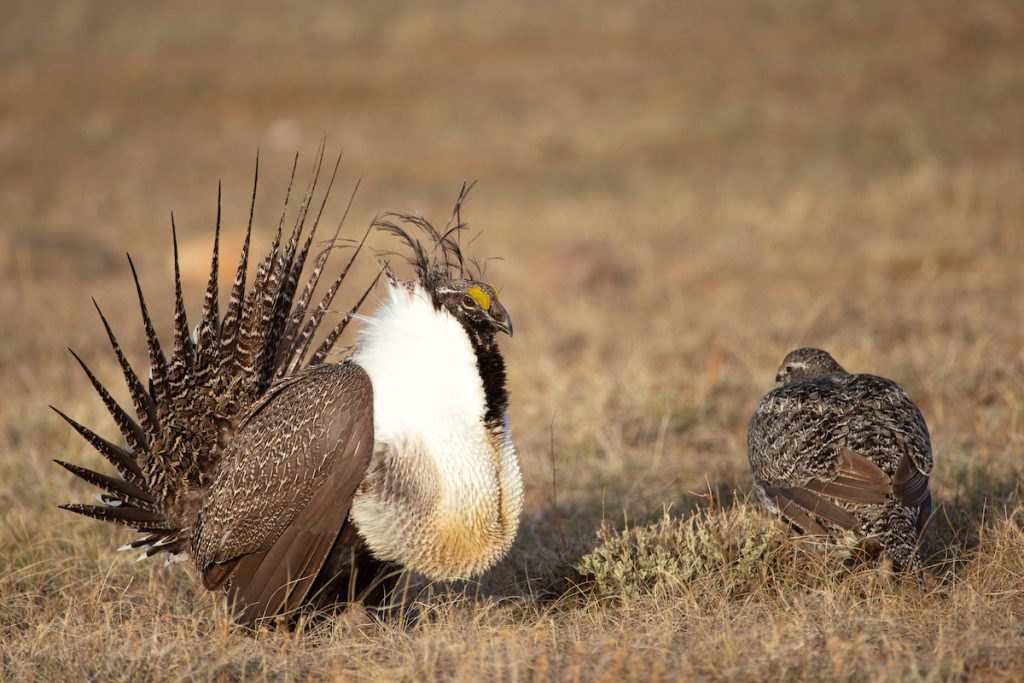
- Gunnison sage-grouse
- American dipper
- Gray-crowned rosy-Finch
- Stellar’s jay
- Clark’s nutcracker
- Western wood-peewee
Best Places to Go Birdwatching in the Gunnison Valley
Places to Birdwatch in Gunnison
Blue Mesa Reservoir
Blue Mesa Reservoir is part of Curecanti National Recreation Area. This is one of the best places to go Colorado bird watching in the Gunnison Valley. Herons, western grebes, mergansers, sandpipers, phalaropes, and gulls can often be seen diving for food or along the shoreline. The land around Blue Mesa Reservoir is comprised of sagebrush scrub. The native and endangered Gunnison sage-grouse lives in this type of habitat, as well as sparrows, thrashers, and larks.
McCabe Lane Wetlands
This area of Gunnison is made up of marshes and wetlands. Located off U.S. 50 W five miles from downtown Gunnison, this wetland is a popular birdwatching spot. Marsh wren, solitary sandpiper, osprey, snowy egret and tree swallows are common. Muskrats, beavers and striped skunks can also be spotted in the area.
Hartman Rocks Recreation Area
The environment at Hartman Rocks is high desert and characterized by granite formations, slickrock domes and rolling, sandy hills covered with sagebrush. Birds you can see at Hartman Rocks include rock wren, sage thrasher, Townsend’s solitaire, rufous and calliope hummingbird, and the Gunnison sage-grouse. Hartman Rocks is also a popular recreation area for biking and off-roading. Go early in the day for the best chance at seeing birds.
Places to Birdwatch in Crested Butte
Kebler Pass
Kebler Pass is home to Colorado’s largest aspen grove. Montane brush and mixed conifer also grow here. The road is passable by most cars and has tons of pull-offs and scenic overlooks to stop at for birdwatching. Keep an eye out for purple martin, red-naped sapsucker, warbling vireo, dusky flycatcher and violet-green swallow. Kebler Pass is especially spectacular in the fall when the aspens turn to gold.
Gothic Road and Valley
Located ten minutes from the town of Crested Butte, the Gothic area is comprised of riparian willow, subalpine meadows, and spruce and fir trees. Along with sweeping views of the Elk Mountains, you might see Lincoln’s sparrow, Wilson’s warbler, white-crowned sparrow or dusky grouse. If you like other kinds of wildlife, keep your eyes out for marmots, too.
Crested Butte Town Area
There’s plenty of bird watching just in town and around Crested Butte. Urban birdfeeders, mature trees and public parks draw different species to Crested Butte. Look out for rosy-finches, evening grosbeak and mountain chickadee.
Birdwatching Hikes
Explore hikes for birdwatching and wildlife spotting in the Gunnison Valley for more places to birdwatch.
Help protect local birds
Gunnison Sage-Grouse
The Gunnison sage-grouse is endangered and heavily protected. Annual seasonal trail closures from March 15-May 15 in Gunnison help protect the Gunnison sage-grouse during its mating season.
Annual March 15-May 15 trail closures:
- All trails south of Powerline Road at Hartman Rocks Recreation Area.
- All trails at Signal Peak.
- Select Bureau of Land Management (BLM) and county roads. Reference the BLM website for more information.
Slate River Great Blue Heron Rookery
This rookery along the Slate River houses a sensitive high-altitude nesting colony. Every year from March 15-July 15, there is a voluntary no-float period on the upper Slate River from Gunsight Bridge to the Slate River Boat Launch on Eighth St. in Crested Butte. This helps minimize disturbance while herons are mating, nesting and raising their chicks.
The Best Time of Year for Birdwatching
Spring
As the snow thaws and temperatures rise, songbirds, shorebirds, and waterfowl return to the Gunnison Valley from their southern winter homes. Head to riparian zones in the morning to see them when they’re most active and hear the “dawn chorus,” the outbreak of birdsong that happens right at sunrise. Some birds are also looking to breed in the spring, providing the potential opportunity to see breeding displays from a distance. The south valley is the best place for birdwatching in the spring as it thaws earlier than the north valley.
Summer
Melting snow in alpine ecosystems bring even more migratory species to the Gunnison Valley. Summer is also prime breeding season. Birds are active and vocal as they claim territories, forage for food, and nest. Peak wildflower season and insect hatches provide abundant food sources that attract neo-tropical birds such as hummingbirds, warblers and flycatchers.
Fall
Fall is another migratory season, and it tends to happen more leisurely than spring. Species often linger to feed and build their energy for the journey south. Raptors and winter residents can also be spotted arriving. Crisp and cool fall weather also makes it a pleasant season for birdwatching. Thinning foliage and golden aspens make it easier to spot birds.
Winter
Though there are not as many birds in the Gunnison Valley in winter as other seasons, there are still birdwatching opportunities. Sparse, white landscape helps birds pop out. Birds also congregate around food sources, making them easier to find than other times of year.
Tips for Birdwatching in the Gunnison Valley
- Bring binoculars.
- Download a bird identification app or bring a field guide of local birds.
- Learn a few bird calls.
- Go early in the morning when birds are most likely to be active.
- Walk slowly and quietly to not startle the birds.
- Dress as you would for a hike. Bring layers, water, sun protection and good shoes.
- Give wildlife plenty of space, especially during nesting season and colder seasons when wildlife is most vulnerable.
- Always stay on designated paths.
Responsible Birdwatching
- Observe wildlife without disturbing it.
- Keep dogs under control.
- Don’t approach nests or nesting birds.
- Don’t play bird calls near sensitive species.
- Leave natural areas as you found them.
- Follow all current public lands restrictions and regulations.
Make Birdwatching Part of Your Gunnison Valley Trip
Birdwatching is an easy activity to weave into almost any Gunnison Valley adventure. Bring your binoculars along on a morning hike, keep an eye out for birds while fishing, or make a scenic drive between Gunnison and Crested Butte an opportunity to spot wildlife along the way. The valley’s diverse landscapes offer different birdwatching experiences at every turn. Most of all, birdwatching encourages you to slow down and take a closer look at the landscape. Pause along the trail, listen for birdsong, scan the trees and skies, and take time to notice the wildlife.
Frequently Asked Questions About Birdwatching in the Gunnison Valley
Q: What birds can I see in the Gunnison Valley?
A: The Gunnison Valley is home to a wide variety of birds, from songbirds and waterfowl to raptors and high-elevation species. Depending on the season and habitat, you may spot mountain bluebirds, western meadowlarks, Clark’s nutcrackers, Steller’s jays, American dippers, golden eagles, and red-tailed hawks.
Q: Where are the best places to go birdwatching in the Gunnison Valley?
A: Birds can be found throughout the valley, so there isn’t one single best spot. Explore wetlands and waterways around Gunnison, sagebrush country at Hartman Rocks, the shores of Blue Mesa Reservoir, forests around Crested Butte and higher-elevation areas throughout the surrounding mountains. Scenic drives and hiking trails can also provide excellent opportunities to spot birds.
Q: What is the best time of year for birdwatching in the Gunnison Valley?
A: Birdwatching is possible year-round, with different species and behaviors throughout the seasons. Spring and fall can bring migratory birds, while summer offers plenty of activity as birds nest and raise their young. Winter is a quieter time for Colorado bird watching but still offers opportunities to see resident species.
Q: Do I need binoculars to go birdwatching?
A: Binoculars aren’t required, but they can make it much easier to identify birds from a distance. A bird identification app or field guide can also be helpful, especially if you’re new to birdwatching.
Q: Is birdwatching good for beginners?
A: Absolutely. You don’t need specialized knowledge or equipment to enjoy birdwatching. Start by looking and listening for birds along a trail, near a lake or river, or even from a scenic overlook. You may be surprised by how many species you notice once you slow down and start paying attention.
Q: Can I combine birdwatching with other activities?
A: Yes. Colorado bird watching pairs naturally with hiking, fishing, camping, photography and scenic drives. Bring your binoculars along and keep your eyes and ears out for birds as you explore the Gunnison Valley.
Q: Are there birds I can see year-round?
A: Yes. While some species migrate through the valley, many birds are year-round residents. Forests, sagebrush landscapes, waterways and developed areas can all provide opportunities to see birds in every season.
Q: What should I bring for Colorado bird watching?
A: Binoculars, a field guide or bird identification app, water, sunscreen, and layers are good basics. Comfortable footwear is helpful if you’re exploring trails, and a camera with a telephoto lens can be useful for wildlife photography.
Q: How can I birdwatch responsibly?
A: Give birds plenty of space and avoid disturbing nests or nesting areas. Stay on designated trails where appropriate, keep dogs under control, and don’t use recorded bird calls to attract birds in sensitive areas. Taking the time to observe quietly from a distance helps protect the birds and their habitat while giving you a better wildlife-watching experience.
Learn more about flora and fauna in the Gunnison Valley:
