The History of Blue Mesa and Iola
Photo Credit: Denver Public Library
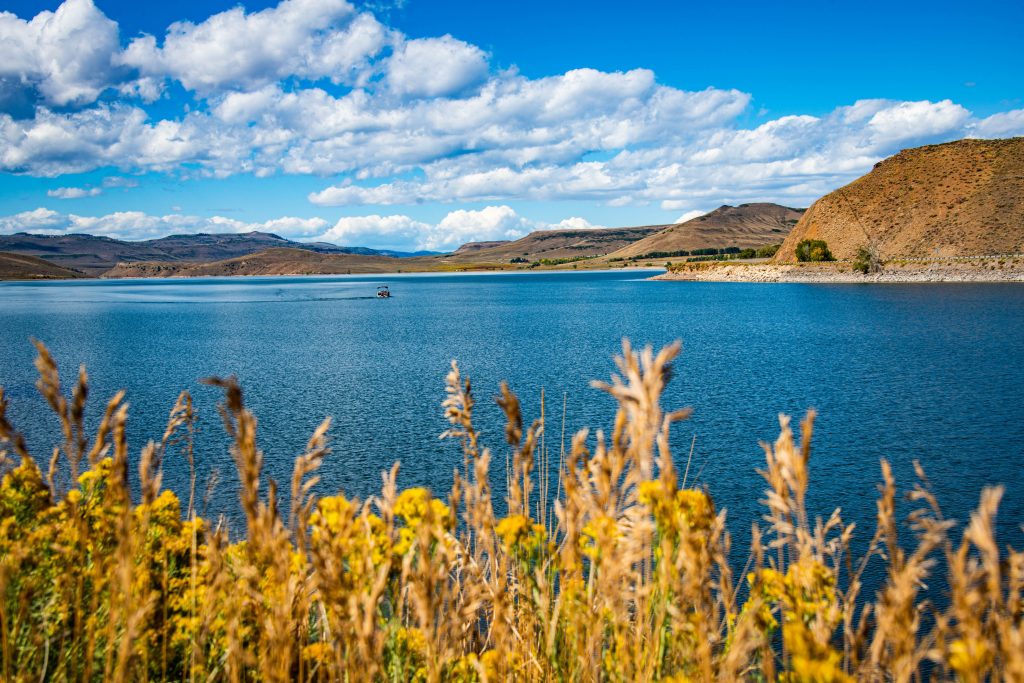
Blue Mesa Reservoir is not only Colorado’s largest lake, but also the setting for the fascinating history of Blue Mesa and Iola. Buried under the waters of Blue Mesa Reservoir is the town of Iola, a once bustling place that was lost to Blue Mesa Dam. The dam made the Gunnison River rise and changed the valley into the reservoir we see today. During low water years, landmarks of Iola reemerge, offering a rare look into the past. Read on to discover the history of Blue Mesa and this lost community.
Before Blue Mesa: The Gunnison River Valley
The Gunnison River Valley was home to Indigenous peoples, including the Ute, for centuries before white settlers came to the area. The valley provided water, wildlife, and seasonal resources for Indigenous peoples who lived and traveled there. Ranchers and homesteaders started settling in the valley in the late 1800s. The fertile river bottoms supported farming and ranching.
When the Denver & Rio Grande Railroad came to town, connectivity to the area grew. The railroad allowed the Gunnison River Valley to become a popular tourist destination. Stunning views, outdoor recreation and world-class fishing drew visitors to the area.
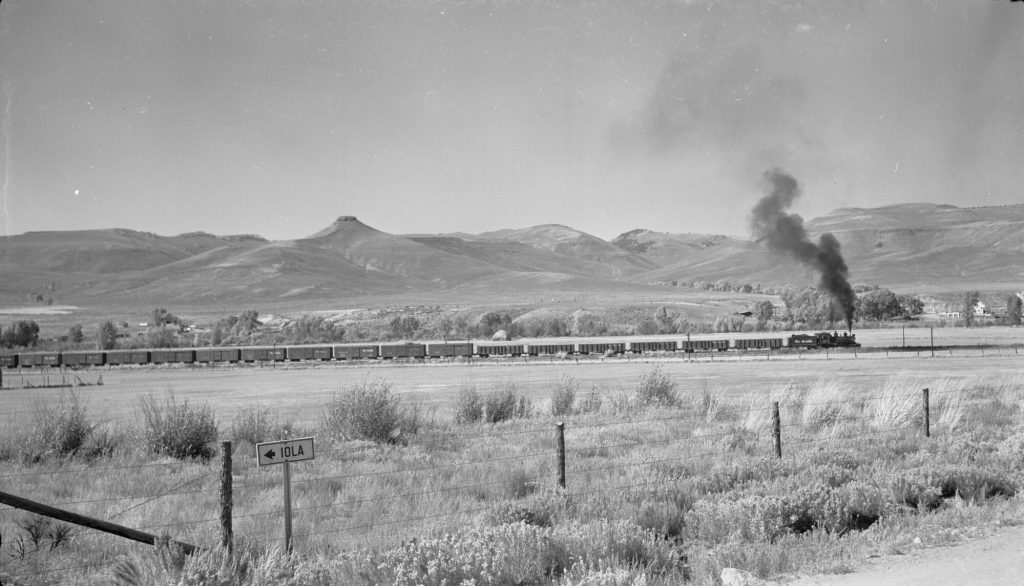
Photo Credit: Denver Public Library
Why Blue Mesa Reservoir was built
Blue Mesa Dam was built in the 1960s by the Bureau of Reclamation. It was core to the Colorado River Storage Project. The main goal of this project and the dam was to store water for the Upper Colorado River basin states (Colorado, Wyoming, New Mexico and Utah). The dam was also meant to generate hydroelectric power and help with flood control. Construction of the dam formed Blue Mesa Reservoir, intended to be a draw for tourism, which had declined when the railroad left the area.
Iola, Colorado
Iola, Colorado, was a small and thriving community with a few hundred residents. It was formed in 1881 when the railroad laid out a stop in the area. By 1896, the post office was established, and the community was formally organized.
Tourism and outdoor recreation eventually became a draw for visitors to Iola due to legendary fishing in the area. Historic fishing camps such as Eden’s Resort and the Rippling River Ranch catered to tourists who wanted to fish on the Gold Medal waters of the Upper Gunnison River. The area was also a popular spot to visit for hunting, horseback riding and camping.
Other places in the Gunnison River Valley affected by Blue Mesa Dam
Cebolla, Colorado
Cebolla, Colorado was once home to ranches, homes and resorts. The famous Sportsmen’s Hotel was in Cebolla, a renowned destination along the Gunnison River. Guests at the Sportsmen’s Hotel could fish, hunt, rent carriages and access hot springs. President Herbert Hoover was a guest in the summer of 1939. Today, this area is known as Cebolla Basin, which is the middle part of Blue Mesa Reservoir.
Sapinero, Colorado
Sapinero, Colorado, was a railroad and ranching hub in the Gunnison River Valley. It was relocated uphill in 1963 before the original townsite was submerged under Blue Mesa Reservoir. The High Bridge was also submerged. The High Bridge was built to carry vehicle traffic over the Lake Fork of the Gunnison River.
This bridge was once Colorado’s highest bridge. A 180-foot steel arch spanned the 259-foot length of the bridge, which was 126 feet above the original floor of Black Canyon. Today, the bridge is more than 100 feet underwater. Sapinero remains an unincorporated community on the shores of Blue Mesa. A few dozen residents live there.
The Black Canyon
Prior to the dam, four bridges stood at the confluence of the main branch and Lake Fork of the Gunnison River as it flowed through the Black Canyon. Two of these bridges were for the Denver & Rio Grande Western Railroad. The other two were built for vehicle traffic. Three of the bridges were removed once construction of the dam began.
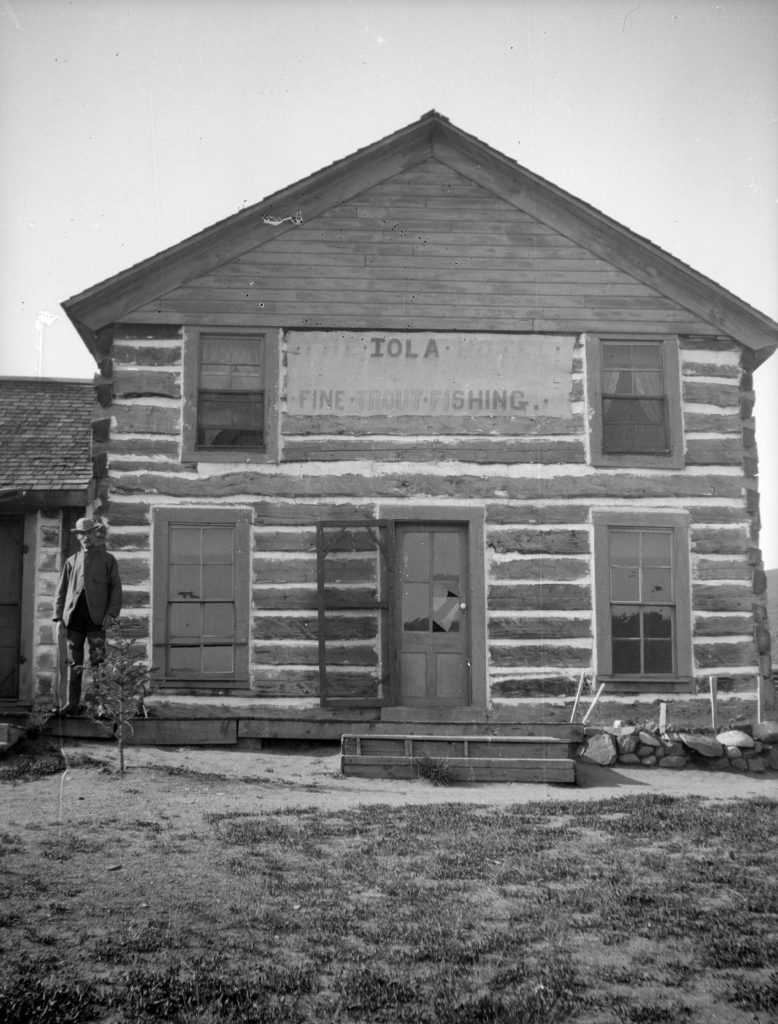
Photo Credit: Denver Public Library
Where was Iola?
The town of Iola was located in what is now Iola Basin of Blue Mesa Reservoir. Iola Basin is the easternmost and upper-end portion of Blue Mesa Reservoir.
Low Water Reveals Iola
When Blue Mesa is low, such as in years of drought like 2018, remains of Iola reappear in the lakebed. Streets and foundations from old town buildings become visible. Twists of metal and outlines of concrete foundations reveal the town’s history. The Iola School’s cement flagpole base that is imprinted with the initials of students and cattle brands emerges, making you think about the people who once lived there. These remnants tell the story of the history of Blue Mesa and Iola. What was once a flourishing town is now buried underwater, to be revealed through stories and these pieces left over.
Saying Goodbye to Iola
Iola, Colorado, was located in the path of the reservoir. Residents of Iola were forced to give up their homes and livelihoods. Despite strong opposition from most townspeople, the project went forward. Town structures were dismantled, moved to Gunnison or destroyed. Between 200 and 300 people were displaced by the time the valley was inundated with over 800,000 acre-feet of water.
Blue Mesa Today
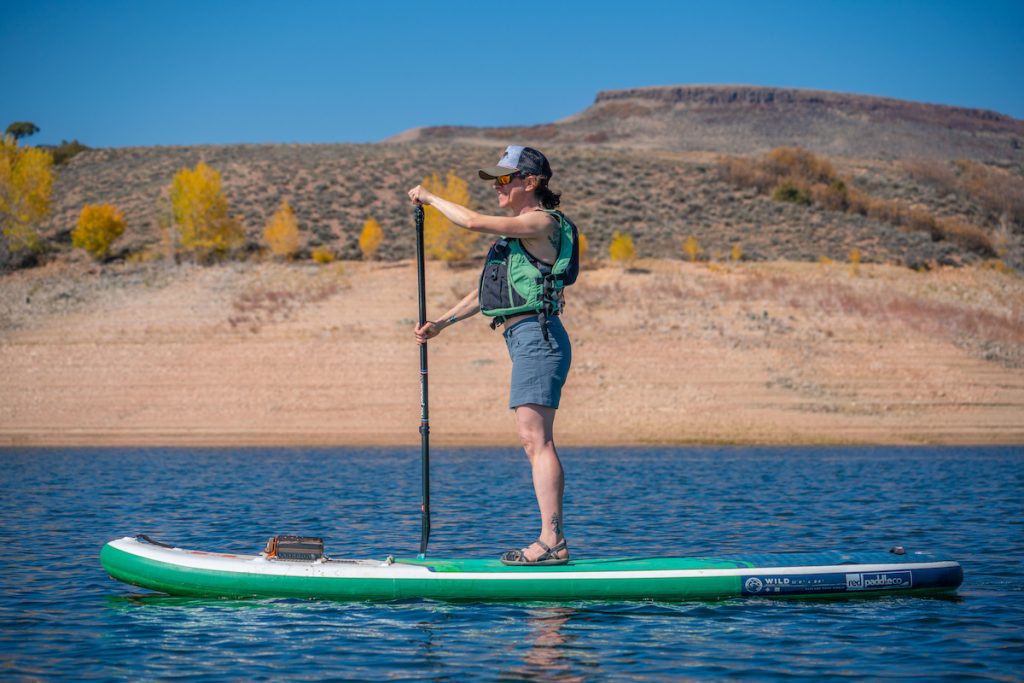
Today, Blue Mesa Reservoir is a recreation hot spot. The reservoir boasts over 92 miles of shoreline. Fishing, boating, paddleboarding, windsurfing and tubing are popular activities on the lake. Winter brings ice fishing and ice skating. Hiking, horseback riding, gravel biking and stargazing are other popular recreation opportunities near Blue Mesa.
Curecanti National Recreation Area
Blue Mesa Reservoir is part of Curecanti National Recreation Area, which is run by the National Park Service. The Elk Creek Visitor Center offers displays on the history and ecology of the area, a Junior Ranger program, the opportunity to ask rangers questions, a gift shop, parking and water filling stations. Curecanti National Recreation Area is also a certified Dark Sky Park and offers astronomy and telescope viewing programs in the summer. Some of the best stargazing in the area is at Curecanti and Blue Mesa.
Want to learn more about Iola?
Stay in the Rippling River Ranch Cabin at Island Acres Resort
This historic three-bedroom, three-bathroom cabin at Island Acres Resort in Gunnison was once part of Rippling River Ranch in Iola. The cabin was moved from Iola to Gunnison before the reservoir flooded the area. The cabin has been renovated to mix vintage character with modern amenities.
Read Go As a River
Published in 2023, Go As a River is a novel by longtime Crested Butte resident and former Western Colorado University professor Shelley Read. The book introduced readers around the world to Colorado’s Western Slope and the communities forever changed by the creation of the Blue Mesa Reservoir. Inspired by the true history of Iola, the novel follows a young woman whose life is transformed as the valley she calls home faces flooding to make way for a massive reservoir. While the story is a work of historical fiction, it captures the real town of Iola and the feelings many townspeople had about the dam and being displaced. For visitors exploring Blue Mesa Reservoir today, especially when low water reveals traces of old Iola, the novel offers a compelling way to connect with the valley’s rich and often overlooked history.
Read the interpretive signs around Blue Mesa Reservoir
There are two interpretive wayside exhibits at Blue Mesa Reservoir that provide details about Iola, Colorado. One is at the Iola Boat Ramp. The boat ramp is located directly adjacent to the underwater town of Iola. The interpretive panels provide details about the human and environmental history of the now lost Gunnison River Valley and the communities that once existed in it. Another sign that offers historical information about Iola is located 11 miles west of Gunnison on U.S. Hwy 50 at the turnoff to North Willow Area. This sign details transportation history from the area, including how the Denver & Rio Grande Railroad would haul livestock to ranches and carry tourists coming to fish.
Gunnison Valley History
If you’re interested in learning more about the history of the Gunnison Valley, check out these blog posts:
Crested Butte and Gunnison History
Hike to Colorado’s Abandoned Mining Camps
Haunted Places in Crested Butte and Gunnison
Plan your trip
Use our trip planning guide to book flights, find a place to stay and plan things to do.
