Early-Season Whitewater Guide
For fun and fast boating, give early-season whitewater rafting a try. Spring is usually the best time of year for whitewater boating in the Gunnison Valley. Spring runoff fills the rivers, creating peak flows that make for thrilling boating. Many consider early-season whitewater boating to be the best of the season, but it presents special considerations when it comes to weather and safety. Keep reading to find out how you can make the most of spring boating while staying safe.
Spring Runoff in the Gunnison Valley
Runoff is caused by the snowpack accumulation in the mountains melting as spring warms the environment. The snowmelt drains into creeks, tributaries, and rivers in the watershed, increasing river volume and speed. Rain can also contribute. Runoff in the Gunnison Valley usually begins in late April, accelerates through May, and peaks between late May and mid-June.
The exact schedule varies depending on how much snow the mountains got and when spring weather starts to set in. The United States Geological Survey (USGS) website monitors flows. Rivers can change a lot during runoff. Rapids and water features can change in just a few days. It’s important to be mindful and pay extra attention while on the water during runoff. This includes scouting unfamiliar rapids, wedging your feet into the boat to stay secure, looking out for obstacles and keeping hold of your paddle.
Where to whitewater boat in the Gunnison Valley
Runoff offers the most options for whitewater boating. This is the time of year when the water on the Gunnison and Taylor Rivers is biggest. It’s also the only time of year the East River and some of the smaller creeks around Gunnison and Crested Butte are runnable.
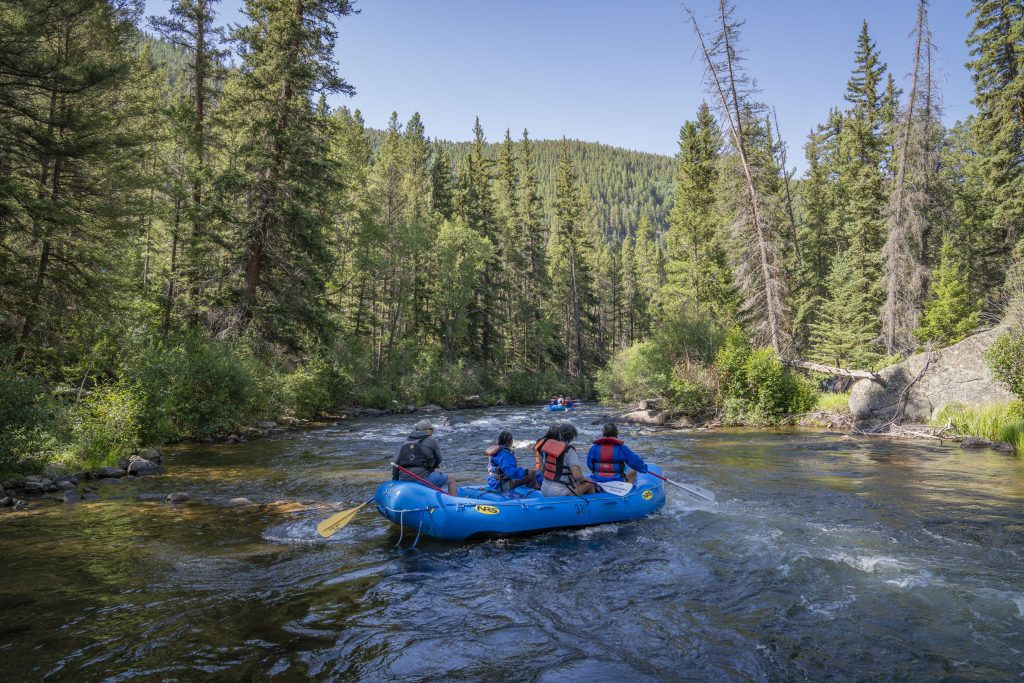
Taylor River
The Taylor River is one of the most popular places to whitewater raft in the Gunnison Valley. The cold, clear water and technical features offer a splashy and fun trip through a rugged and scenic canyon. The Taylor River offers intermediate and advanced options depending on the section and flow levels.
Taylor River flows are regulated by the Taylor Park Dam release schedule. This allows for a longer and more consistent rafting season than other rivers in Western Colorado. The Taylor is broken up into three sections: the “Upper,” “Middle,” and “Lower.” The Upper is an 8-mile stretch and is rated at Class III. It is the most advanced section.
The Middle, 2.5 miles, and Lower, 5 miles, are more suited towards novice boaters. Todd’s Slot and Lottis Creek Rapid are the biggest rapids on the Taylor River. Both are technical Class IV drops on the Upper Taylor.
Gunnison River
The Gunnison River offers 20 miles of family-friendly Class I and II whitewater rafting. The Gunnison is runnable from Almont to Blue Mesa Reservoir. The most popular sections are Almont to Shady Island and Shady Island to McCabe’s Landing. Almont to Shady Island provides continuous moving water broken up by splashy Class I and II rapids. Shady Island to McCabe’s Landing goes through the Gunnison Whitewater Park.
Manmade water features at the Whitewater Park provide three fun and splashy drops. Watch out for river surfers here. Directly after the Whitewater Park is Psychedelic Falls, a Class III rapid that is one of the more consequential rapids on the Gunnison. Take out at the Whitewater Park if you don’t want to run Psychedelic Falls. For a quicker trip, do the town run, which is Shady Island to the Whitewater Park.
East River and smaller creeks
The East River flows from Crested Butte South to Almont, where it meets the Taylor River to form the headwaters of the Gunnison River. The East is narrow, technical, and presents hazards such as strainers, shallow areas, and low bridges to navigate. The East is only runnable during runoff due to being shallow and rocky. By mid-summer, you’d be hard-pressed to get a boat on it.
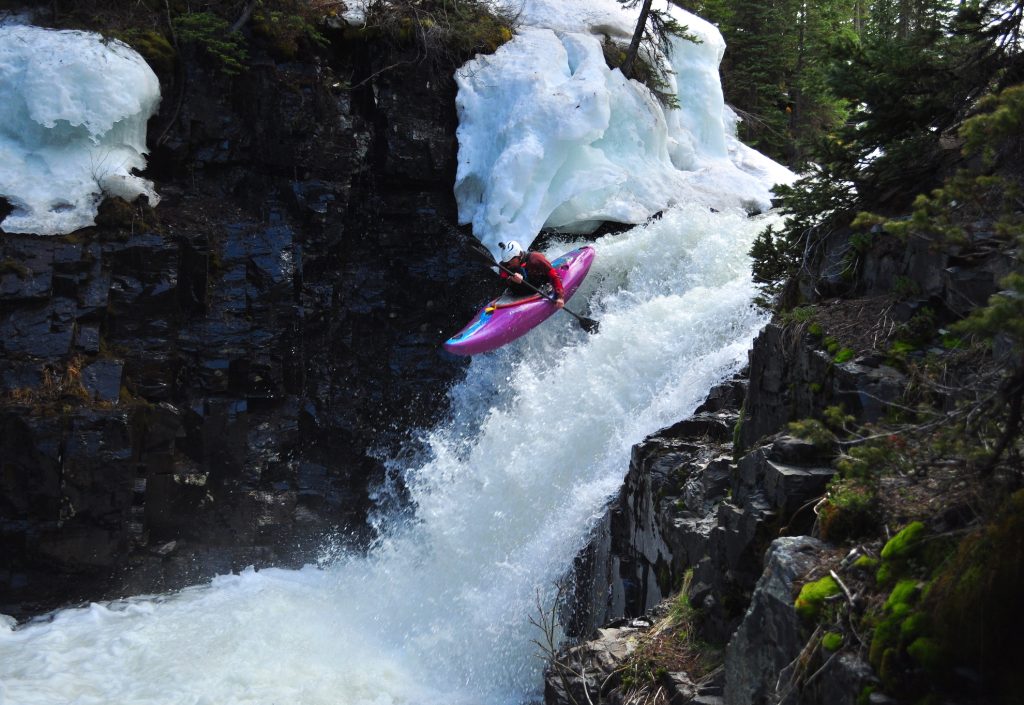
Oh Be Joyful Creek
Oh Be Joyful is a famous Class V creek run in Crested Butte. Nicknamed “Oh Be Careful,” only experienced, Class V whitewater kayakers should attempt it. When it’s deemed safe enough to run, kayakers test their mettle at the Oh Be Joyful Race.
The Slate River
The Slate River is a popular flat-water float for kayaks, SUPs and packrafts. It is only high enough to run in the spring during runoff. It is a mellow, meandering river with excellent views of Crested Butte Mountain and other surrounding peaks.
Gear for Early Season Boating
Bringing the proper gear is essential for a safe and fun time on the river.
- Properly fitted whitewater PFD
- Helmet for big rapids
- Dry suit, wet suit, or dry top and pants
- Throw rope
- Whistle
- Weather appropriate layers
- Neoprene gloves and booties
- Secure footwear
Early Season Safety Considerations
Cold Water
Early-season whitewater is cold. Runoff water is the temperature of snowmelt, even on sunny and warm days. Cold shock is something to be aware of. Cold shock can occur from unexpected immersion in the river. It can affect breathing, coordination and decision-making.
The best way to combat potential cold shock is by dressing properly. A drysuit, wet suit, or dry top and pants are the best options. Neoprene gloves and socks can help protect your hands and feet. Packing warm layers in a dry bag is also a good idea if someone takes a dip and needs to get out of wet clothes.
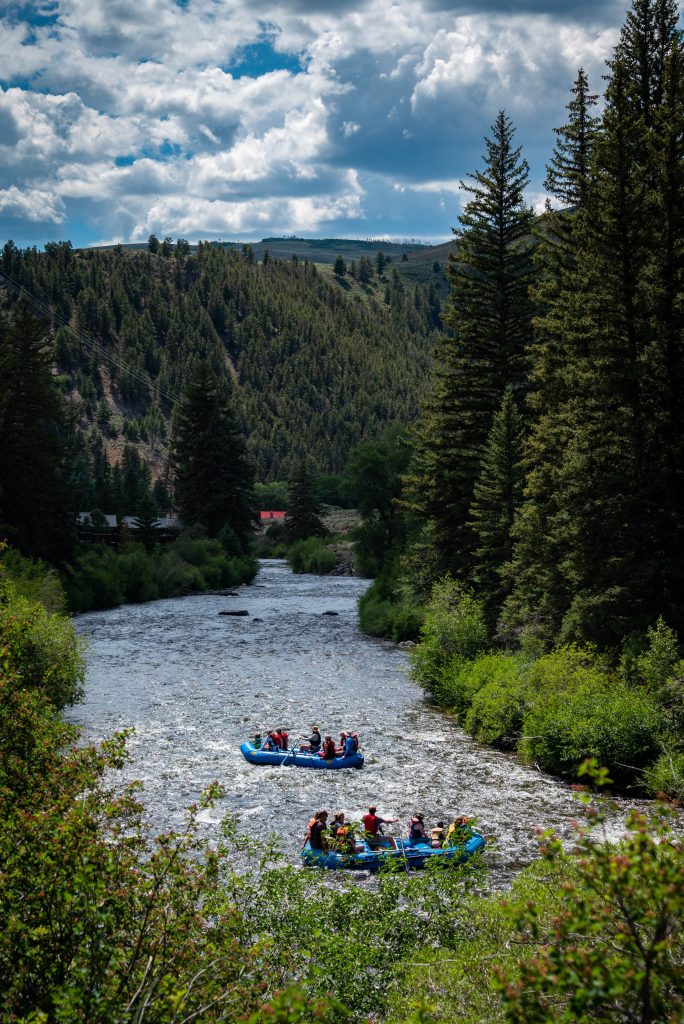
Fast Moving Water
Whitewater moves fastest during runoff. This creates a higher risk for drowning, getting trapped underwater by rocks, foot entrapment and flipping. It also gives boaters less time to react to hazards and maneuver the boat.
New Hazards
Spring runoff is the first opportunity of the year for whitewater boating. Changes to the river are likely to have occurred over the winter. Rocks may have shifted and changed the way the river flows. Trees might have fallen to make strainers or block the river. Pay extra attention for any hazards during spring runoff.
Whitewater Safety Tips
- Have a throw rope on board and know how to use it. Best practice if someone ends up in the river is to float with “nose and toes” up while facing downstream. If they’re heading towards a hazard such as a strainer, swim aggressively towards it to go over it.
- Learn to recognize hazards such as strainers, sieves, undercut rocks and hydraulics.
- Never stand up in the river as this can cause foot entrapment.
- Wear moisture-wicking, fast drying clothes.
- Only boat on water within your skill level.
- If boating with a guide, follow all instructions. They are in place to keep you safe.
Boating Etiquette and River Stewardship
Abiding by boating etiquette can help make your float safe and enjoyable for everyone.
- Carry safety essentials like a throw bag, whistle and first aid kit.
- Pack at all trash. This includes food wrappers, cans and broken gear.
- Announce yourself when passing another group.
- Avoid excessive noise, such as yelling or loud music.
- Make sure all your gear is secure to avoid losing it in the river.
- Share the river with anglers and other boaters.
- Be prepared to throw a rope for your group and others in distress.
- Always check hazards and obstacles before running an unfamiliar rapid.
- Don’t stop in narrow channels or major rapids.
- Keep your group together.
- Don’t damage natural features or the environment.
- Know who has the right of way. Yield to downstream boaters.
- Only run rapids you have the experience for.
Rafting guides
One of the best ways to experience whitewater rafting in the Gunnison Valley is by going with a guide. Not only does going with a guide service take care of the logistics for you, but guides also know all the proper safety protocol and can help in the event of an emergency. There are two whitewater guide services in the Gunnison Valley: Scenic River Tours and Three Rivers.
Frequently Asked Questions About Early Season Whitewater Boating in the Gunnison Valley
Q: When does runoff season start in the Gunnison Valley?
A: Runoff season in the Gunnison Valley typically begins in late April and builds through May, with peak flows often arriving between late May and mid-June. Timing varies each year depending on snowpack levels, spring temperatures and rainfall.
Q: Is early season whitewater boating dangerous?
A: Early season boating can be more hazardous than mid-summer paddling due to cold water, high flows, fast currents and changing river conditions. Proper gear, strong group safety practices and realistic decision-making are essential during runoff season.
Q: What should I wear for spring whitewater boating?
A: A drysuit is strongly recommended for most early season boating conditions in Colorado. Water temperatures remain near snowmelt levels throughout spring, even on warm days. Paddlers should also wear insulating layers, neoprene gloves, booties, and a properly fitted PFD and helmet.
Q: What rivers are popular during runoff season in the Gunnison Valley?
A: Popular early season runs include sections of the Taylor River, Gunnison River and East River, along with smaller creeks that become runnable during peak snowmelt. Conditions vary dramatically depending on water levels and weather patterns.
Q: How do I know if river flows are too high for me?
A: If you are uncertain about a run, it is usually best to choose a more conservative option. High water can dramatically change rapids, reduce recovery pools and increase consequences for mistakes. Monitoring river gauges, talking with experienced local paddlers and scouting rapids are important parts of evaluating conditions.
Q: What is cold water shock?
A: Cold water shock is the body’s immediate physiological response to sudden immersion in cold water. Symptoms can include involuntary gasping, hyperventilation, panic and rapid loss of muscle control. Even strong swimmers can become incapacitated quickly in cold runoff conditions.
Q: Is early season boating suitable for beginners?
A: Some sections may still be appropriate for beginners during lower runoff periods, but many rivers become substantially more difficult in spring. Newer paddlers should boat with experienced groups, start conservatively, and avoid conditions beyond their comfort or skill level.
Q: Why do river conditions change so quickly in spring?
A: Spring river levels are driven by snowmelt and weather conditions. Warm temperatures, overnight freezes, rain events and reservoir releases can all affect flows. Rivers may rise or fall significantly within a single day during peak runoff.
Q: What safety gear should every paddler carry?
A: At minimum, paddlers should carry a whitewater-specific PFD, a certified helmet, a throw rope, a whistle, a river knife, proper cold-water clothing and secure footwear. Groups should also consider carrying pin kits, first aid supplies, repair gear and communication devices when appropriate.
Q: Can I boat alone during runoff season?
A: Boating alone during high-water conditions is discouraged. Runoff season increases the consequences of swims, pins and equipment failures. Strong paddling groups improve rescue capability and overall safety.
Q: What are common runoff hazards?
A: Common early season hazards include strong hydraulics, fast current, floating debris, strainers and wood, cold water, undercut banks, washed-out eddies, and limited recovery zones. These hazards often become more serious as flows increase.
Q: How can I stay updated on local river conditions?
A: Many paddlers monitor river gauges daily during runoff season and check local boating forums, paddling groups, guide services, and river reports for updated conditions. Local knowledge can be extremely valuable when assessing changing hazards.
Q: What makes runoff season special?
A: For many paddlers, runoff season offers the most exciting boating of the year. Snow-covered mountains, powerful rivers, fewer crowds and dynamic conditions create a unique atmosphere that defines spring in the Gunnison Valley.
Plan your trip
Book flights, find a place to stay and explore more things to do with our trip planning guide! Check out other things to do on a spring trip with our spring guide.
